HOME

ABOUT US

WATERPOLLUTION

BLOG

CONTACT


Crisis of Water Pollution


What if the water you drank today could slowly poison you? Right now, millions of people around the world turn on a tap,


scoop water from a river, or buy a bottletrusting it will keep them alive. But hidden beneath the surface of that clear, innocent-looking water could be toxic chemicals, deadly bacteria, and invisible plastic particles. Every year, polluted water contributes to the deaths of thousands and damages entire ecosystems that once thrived with life.


Imagine a river that used to be full of fish, now silent and lifeless. Picture beaches covered in plastic instead of sand, and oceans where marine animals mistake trash for food. This isn’t a scene from a dystopian movie it’s happening right now.


Water is essential for every living thing on Earth. Yet, instead of protecting it, we are contaminating it at an alarming rate. The question is no longer if water pollution is a problem it’s how long we can ignore it before the damage becomes irreversible.

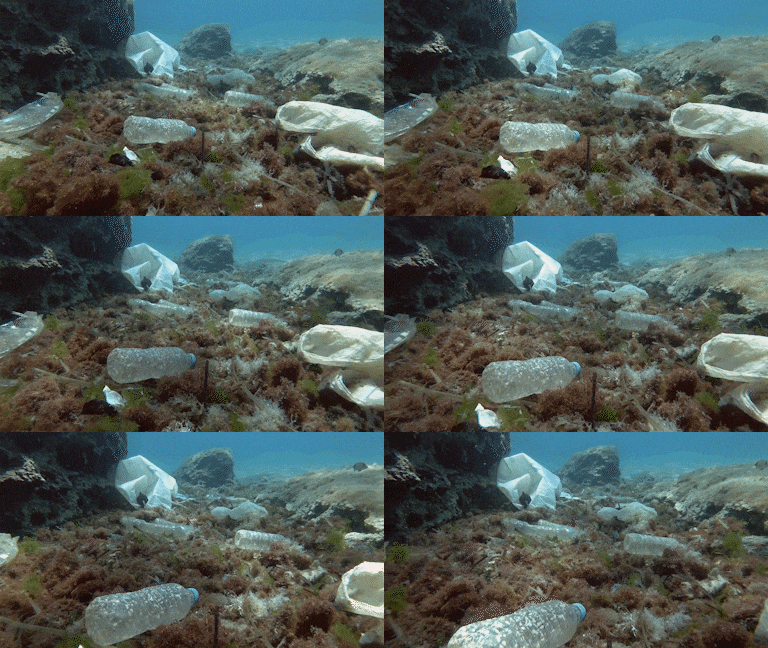


polluted water kills fish life and destroys ecosystems.

Thousands of aquatic animals die each year due to water contamination.

Plastic and toxins in water can be fatal to sea creatures


Industrial waste is one of the leading causes of water pollution worldwide

Chemicals released from factories often end up in rivers and ocean.


Water pollution is not just an environmental issue it is a global crisis that affects every living thing on this planet. From the rivers we rely on to the oceans that sustain entire ecosystems, the damage caused by pollution is growing every day. If we continue to ignore it, the consequences will only become more severe for both nature and human life.

However, it is not too late to make a change. By reducing waste, using fewer plastics, and being more mindful of how we treat our water sources, we can all play a part in protecting this vital resource. Governments, industries, and individuals must work together to prevent further harm and restore what has already been damaged.

Water is life, and protecting it means protecting our future. The choices we make today will determine the quality of water tomorrow so the question is, will we act before it’s too late?

YM©2026

YM©2026